Berk Köksal and the Neo-Sacred Zikr artistic universe

The Complete Story

Berk KÖKSAL

Composer • Guitarist • Music Producer • Software Engineer

Founder of Neo-Sacred Zikr

Discover the Journey
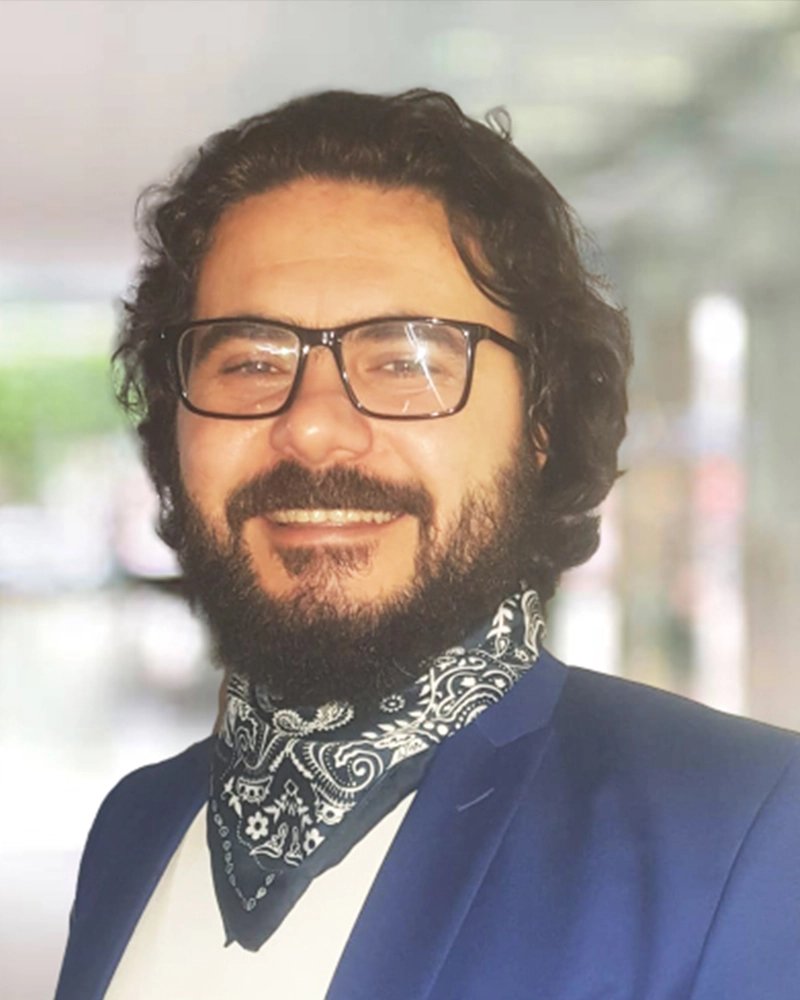
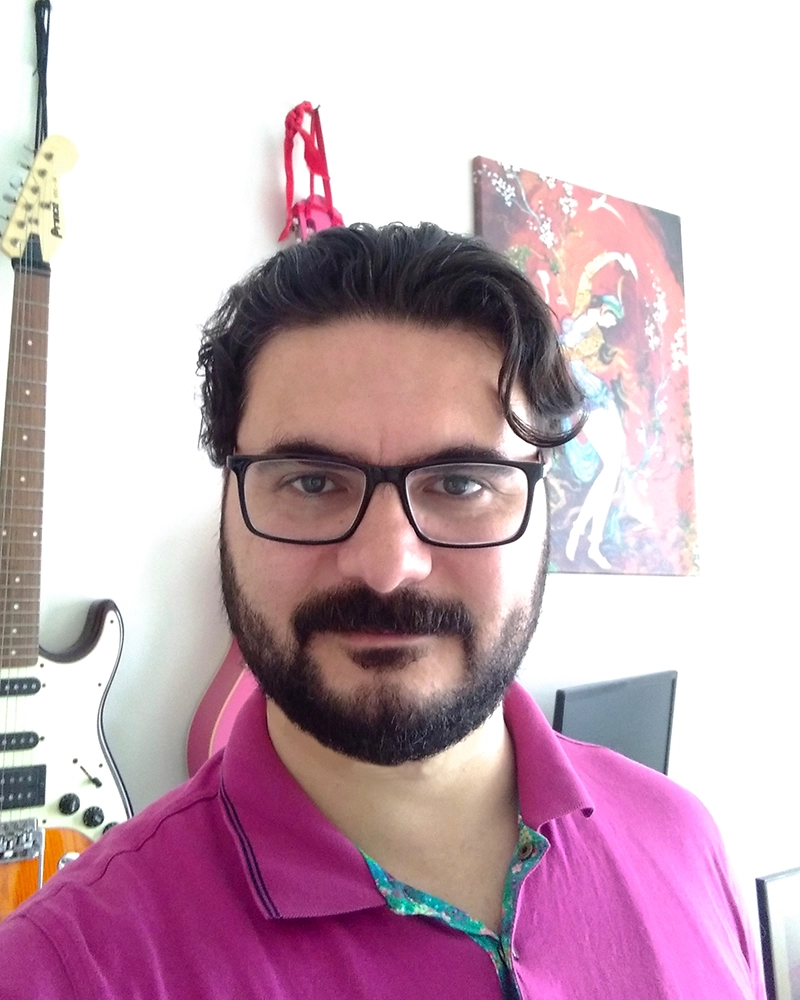
Portrait of Berk Köksal

I · Origins

A life shaped by sound, inquiry and transformation

Berk Köksal was born in Istanbul on 19 December 1980. His earliest years were spent in the Rami area of Istanbul, where he lived until approximately the age of fourteen. His mother was Aynur, his father Hasan, and he grew up with one younger brother.

Music entered his life almost as early as memory itself. His father's guitar was already present in the home when he was a child. Before he knew theory, technique or even the vocabulary of music, he was touching the instrument, experimenting with sound and treating it as something to be discovered.

At one stage he explored the guitar with only a single string. What may appear to be a small childhood detail later became symbolic of his way of learning: start with what is available, listen closely, investigate the structure and build outward from there.

II · Childhood and Classical Guitar

The first formal steps

Around the age of twelve or thirteen, Köksal began private classical guitar lessons in Gaziosmanpaşa. The lessons took place in a small private teaching environment beneath a local commercial building and gave him his first systematic instrumental foundation.

After leaving Rami, he lived for a period in the Yeni Doğan Çeşme area of Gaziosmanpaşa. When he later entered Haydarpaşa Endüstri Meslek Lisesi, he also spent time living with his maternal grandmother in Kayışdağı in order to attend school more easily.

Classical guitar soon opened the door to something larger than instrumental technique. Polyphony, harmony and the structure of classical music increasingly attracted him. He was interested not only in how to play a piece, but in why the notes worked together and how a complete musical system was constructed.

That curiosity would later connect naturally with computers, MIDI and the first generation of music software available to independent musicians.

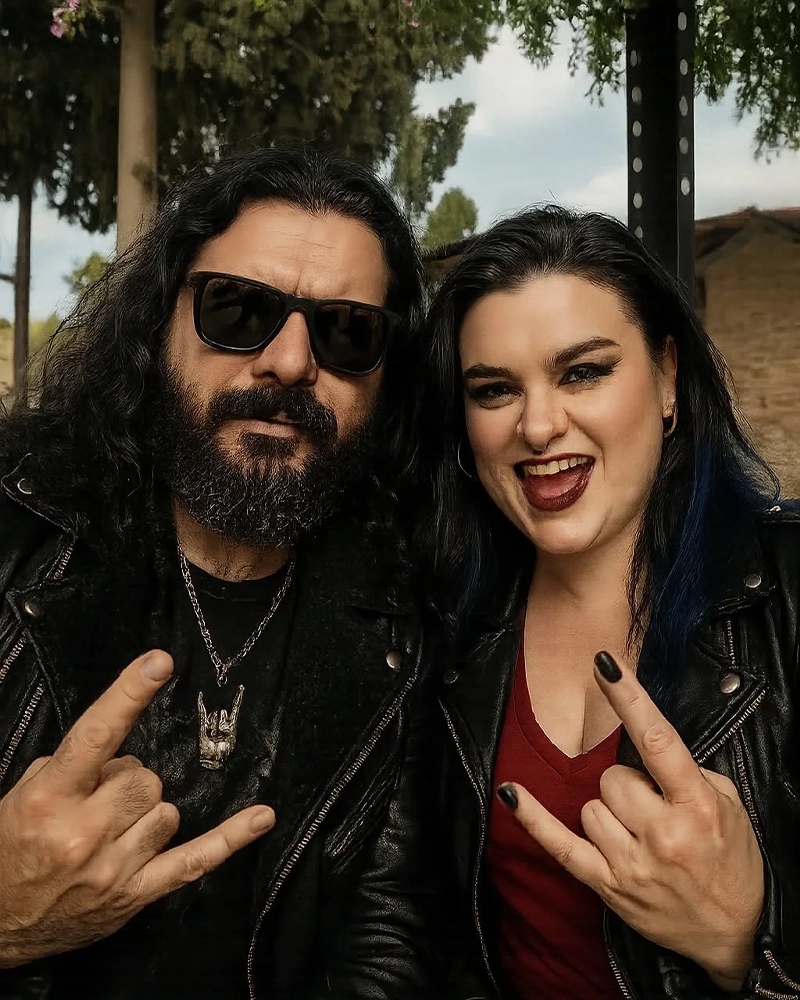
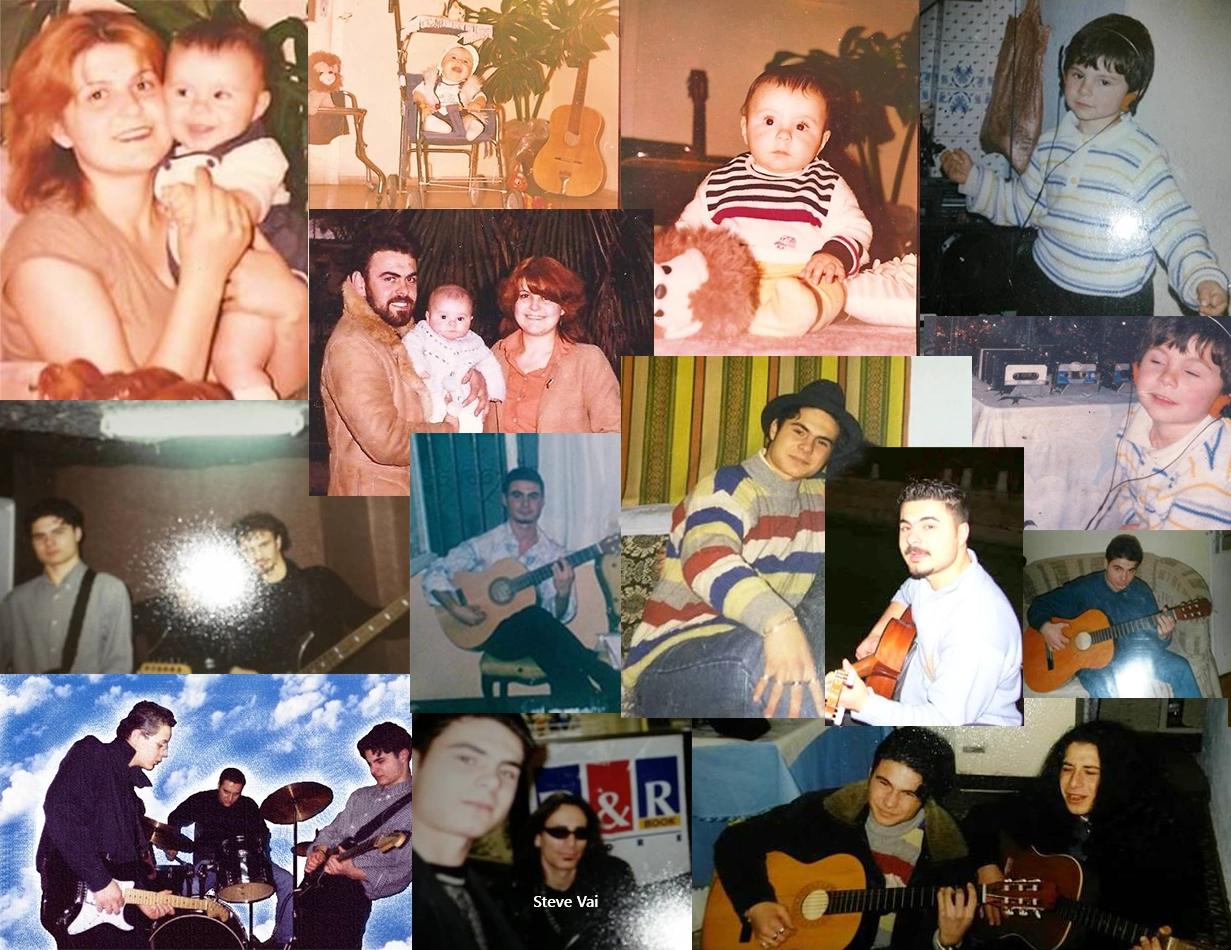
Berk Köksal during his guitar and rock music years

III · MIDI, Guitar Pro and berkgitarist

Learning music by reconstructing it

Köksal's formative years coincided with the rapid development of MIDI and personal-computer music tools. Guitar Pro — especially Guitar Pro 3 — became far more than a tablature reader. It became a laboratory in which he could rebuild songs from the inside out.

He transcribed music by ear, entering guitar, bass, drums, strings and other parts into MIDI and tablature. In the early internet era he used the online name berkgitarist, sharing tabs, chords, MIDI files and Guitar Pro arrangements across music communities and archive sites.

His work included transcriptions connected with Yngwie Malmsteen, Jason Becker, Steve Vai, Cem Köksal and other guitar-centered music. Rather than simply reading existing notation, he trained his ear by finding the notes himself. This process became one of the most important forms of musical education in his life.

To reconstruct a complete arrangement, he had to understand not only the guitar but the relationship between rhythm, bass, harmony, drums, strings and counterpoint. In this way, transcription gradually became composition training.

Early Internet Archive

Traces of the berkgitarist years

Some of Köksal's early internet activity and later independent work can still be found across music archives and artist platforms. These links are preserved as part of the public record of that period.

IV · Paganini, Malmsteen and Classical Music

Virtuosity became a language, not an end in itself

One of Köksal's early ambitious experiments was a heavy-metal treatment of Niccolò Paganini's Caprice No. 24. Working with technically demanding classical material strengthened the bridge he was building between virtuosity, composition and heavy guitar music.

The discovery of Yngwie Malmsteen was another decisive moment. Köksal heard in Malmsteen's early music a close relative of the sound he had already been searching for: neoclassical phrasing, diminished harmony, harmonic-minor color, rapid arpeggios, expressive solo guitar and the darker character produced by tuning the guitar down a half step.

At the same time, his classical interests deepened. Bach's structural and mathematical polyphony fascinated him, while Handel and Chopin remained important references. Mozart, however, formed a particularly deep emotional connection. Köksal has said that if he had to choose a single work from the history of music outside his own body of work, Mozart's Requiem would be his choice.

Ian Anderson and Jethro Tull also left a mark on his musical imagination. Anderson's use of flute inside rock music demonstrated how an instrument could escape its conventional role and become an intensely individual voice.

Berk Köksal in an outdoor portrait

V · 1996: Loss and the Emotional Language of Music

A loss that remained inside the songs

In 1996, at the age of sixteen, Berk Köksal lost his mother Aynur in a traffic accident. At the time, his parents were separated and he was living with his mother and younger brother. After her death, the two brothers had to return to their father's home; his father later formed a new marriage and the family structure changed again.

Köksal now sees his mother's death as one of the major emotional fractures of his early life. Before his later submission to GOD, the longing for his mother appeared repeatedly in his work as an unspoken subject. Songs that could be heard as romantic separation songs often carried a different private meaning.

Ne Olur Geri Dön and Git Hadi Durma belong to this emotional world. The unfinished work Kurtuluş Ölümde became an even more direct expression of grief. Köksal returned to it repeatedly for roughly two decades and made numerous recording attempts, but never felt able to bring it to a final form that satisfied him.

Looking back from adulthood, he interprets that inability to finish the work not only as a technical problem, but as evidence of how deeply the loss remained unresolved in his inner world.

VI · Bands, Performance and the Electric Guitar

From rehearsal rooms to stages

Köksal's first electric guitar was a Prince model purchased in Unkapanı, Istanbul. He used the instrument for many years as his musical focus moved increasingly toward rock, metal and solo guitar.

From approximately 1998–1999 and again after military service from 2001 until the years preceding his move to İzmir, he worked in different band settings. Gökmen Erdal and Enver Meriç were among the musicians with whom he spent significant time developing two- and sometimes three-guitar arrangements.

Köksal generally worked as a lead guitarist and vocalist. School concerts, bar performances, rehearsals and large repertoires gave him a practical performance education that was very different from solitary MIDI work.

Even after composition, arrangement and production became more central to his work, that lead-guitar background remained an important part of his musical identity.

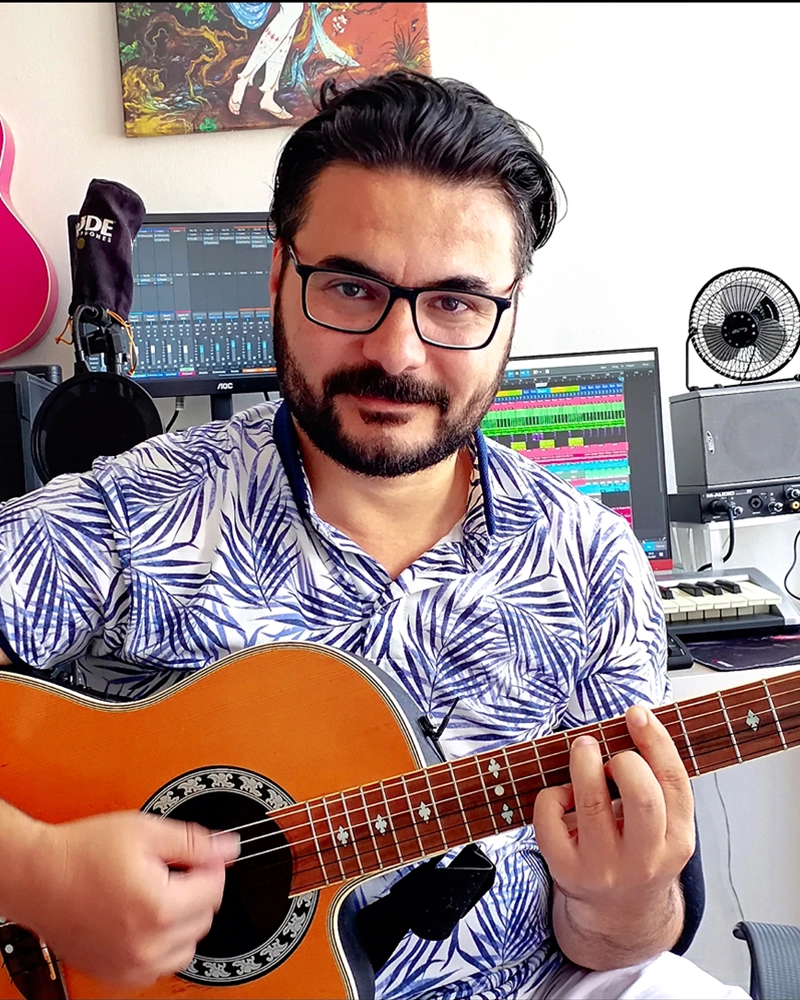
Berk Köksal in his home music studio

VII · One-Man Production

From playing an instrument to building the entire record

As Köksal's MIDI knowledge expanded, he discovered that he could write bass, drums, strings and other layers himself. This gradually reduced his dependence on a traditional band structure and opened a path toward what would become his One-Man Production vision.

Early virtual instruments were far less realistic than today's tools, and many early productions retained an audible MIDI character. Yet the limitations forced him to learn. Instead of specializing in only one instrument, he had to think about the entire arrangement.

Recording technology then revealed another world. Knowing how to write a song did not automatically mean knowing how to record, mix and master it. Köksal began with Cool Edit, then worked with Cubase — a major favorite through the Cubase 5 era — as well as Propellerhead Reason and Pro Tools, eventually moving much of his workflow to Studio One.

As his financial resources improved, he invested more seriously in studio equipment and continued studying mixing, mastering and modern production. What had begun with guitar and tablature became a complete independent production system.

Production Practice

One artistic vision across every stage

Composition
Songwriting
Guitar Performance
Vocals
Arrangement
Recording
MIDI Programming
Orchestration
Sound Design
Mixing
Mastering
Visual Concepts
Software Development

VIII · İzmir, Family and a Period of Pause

Life outside the studio also shaped the music

After major changes in his family life, Köksal spent a period living with his grandmother and later entered his first marriage. In 2008 he moved into the İzmir period of his life. The marriage lasted approximately seven years, ending in 2015.

Köksal describes these years as an important period of personal maturing, but also as a time in which musical production became much less active. His daughter Bernaz Su Köksal was born from this marriage, and he later composed music in her name.

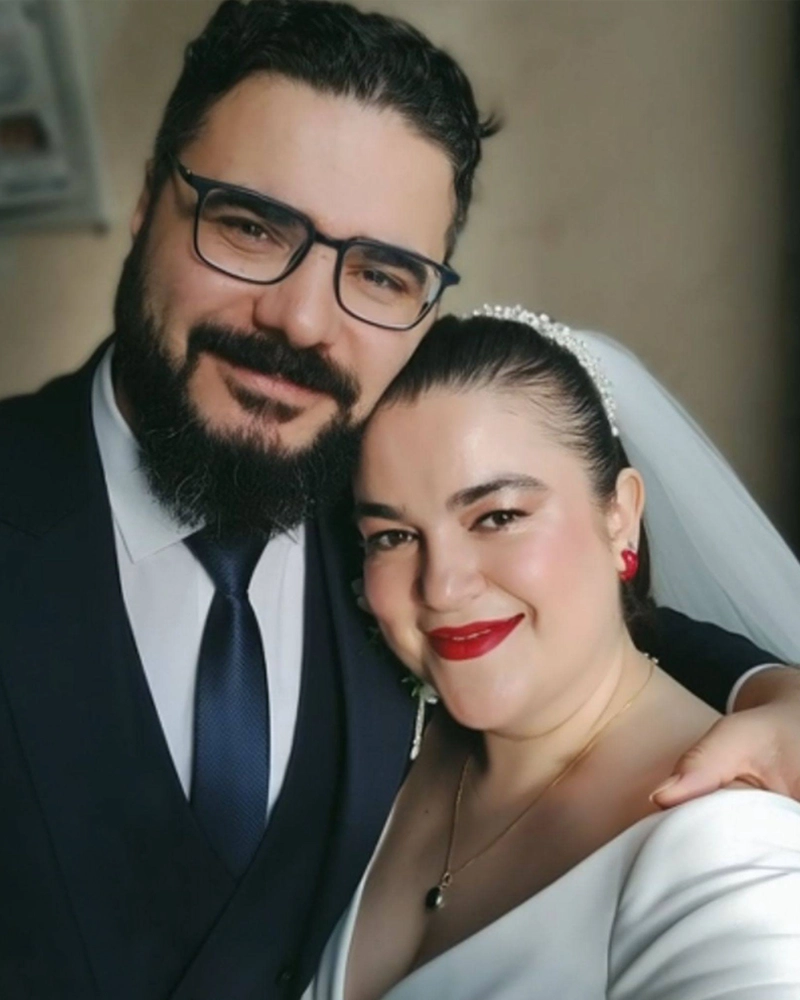
After returning to Istanbul in 2015, he later met and married Hümeyra Can Köksal. His creative production accelerated again during this period. Their daughter Arya Belinda Köksal also became part of his musical story through compositions and, later, through her own childhood voice in a zikr recording.

Berk Köksal working with music and software technologies

IX · Professional Production and Collaboration

Mixing, mastering, film music and work for other artists

As his studio knowledge grew, Köksal began applying it to the work of other artists. He mixed and mastered projects across different styles, including pop, rap and saz-based music. He collaborated with the saz musician known as Derdali (Ali Özdemir) and worked on multiple independent music projects for other performers.

He also worked with lyricist Armağan Ünlü , composing some of Ünlü's lyrics and taking responsibility in different projects for arrangement, vocals, mixing and mastering.

Film-oriented works including Ölümün Gölgesinde, Başlangıç, İhanet and Korku expanded his experience beyond conventional song form and into dramatic, cinematic writing.

Earlier works such as Bebeğim, Tutkunum and Kalbimi Verdim Sana were also brought into professional release processes, helping establish a more visible public artist identity.

Sacred and symphonic artistic concept

X · Requiem Concerto

The final major work before his submission to GOD

Köksal's long relationship with Mozart's Requiem eventually contributed to his own Requiem Concerto, released in 2022.

He sees the work as one of the most important pieces from the years before his submission to GOD. In it, neoclassical guitar and dramatic writing carry a spiritual longing directed toward GOD. The guitar solos were conceived not merely as technical displays but as emotional lines reaching toward the sky.

In retrospect, Requiem Concerto stands at the edge of two periods: the culmination of one musical identity and the approach of a much deeper religious transformation.

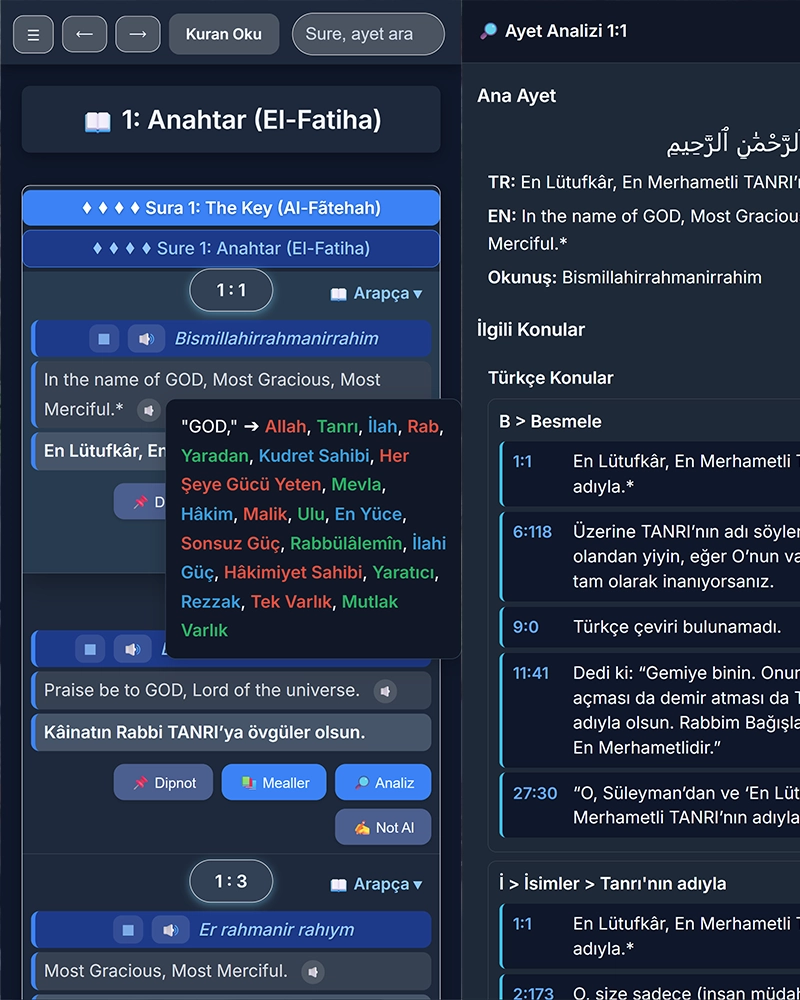
QUR'AN research software interface

XI · QUR'AN Research

The question became: What does GOD actually ask of us?

Alongside music, Köksal increasingly focused on the QUR'AN. He wanted to know what GOD actually asks of human beings, what the right path is and what a person should do with regard to the Hereafter.

Being told that he was Hanafi led him to ask a simple but important question: Why am I Hanafi? He studied different schools of thought and, for a period, followed a Hanbali-oriented practice. Continued investigation of hadith, sectarian traditions and inherited religious assumptions eventually led him to question the religious framework he had inherited.

Around 2019, Köksal encountered the QUR'AN's 19-based mathematical system as presented in the work of Rashad Khalifa. He studied the system extensively and came to regard it as compelling evidence of the divine authorship of the QUR'AN.

For Köksal, one of the most difficult questions was whether Rashad Khalifa was GOD's Messenger of the Covenant — in Turkish, “Tanrı'nın Antlaşma Elçisi” . In this usage, messenger means elçi, not prophet (peygamber). For roughly five years, Köksal continued to research and examine this question without reaching certainty.

During these years, he also spent considerable time discussing religion with atheists, deists and agnostics, and helped administer online discussion communities where different worldviews could be examined directly.

Köksal says the central prayer of this period was simple: he repeatedly asked GOD to guide him to the right path when study and reasoning alone were not enough to bring him certainty.

XII · Submission to GOD

Guidance came first; then the QUR'AN opened.

Köksal describes these years not only as a period of research and questioning, but also as a period of personal tests. Throughout this process, he continued asking GOD for guidance and for the right path.

After what he understands as a series of personal tests, Köksal believes GOD enabled him to pass those tests and granted him submission to GOD around 2024.

Köksal says that after this guidance, “the QUR'AN opened.” By this he means that passages he had read many times before became clear to him in a new and deeper way, and that he was granted an understanding of what he regards as their true meaning.

He then began re-examining inherited religious beliefs directly against the QUR'AN itself. Within this understanding, Köksal became certain that Rashad Khalifa is GOD's Messenger of the Covenant “Tanrı'nın Antlaşma Elçisi”. Köksal does not understand Rashad Khalifa to be a prophet; the word Messenger here means Elçi.

His wife Hümeyra Can Köksal later embraced the same path, turning the process into a shared family journey of reading and learning. Köksal regards that shared direction as one of GOD's gifts to their family.

A new question then emerged: after decades spent learning music, production and technology, how could those abilities be used to remember and glorify GOD?

XIII · The First Zikr Works

The purpose of music changed

Köksal concluded that he could contribute by creating contemporary zikr music centered on the ONE GOD. He wanted remembrance and glorification of GOD to remain the purpose of the music while using modern musical styles and production techniques.

The foundational work of this period was Zikir (La ilahe illa Allah), released on YouTube on 31 August 2024. Köksal remembers the production as unusually difficult: tempo problems, recording failures, VST and plug-in problems, interruptions and even power cuts repeatedly obstructed the process.

When he came close to abandoning the project, he says he prayed to GOD, explaining that his intention was to glorify Him and asking for help to complete the work. He later interpreted the successful completion of the piece as the moment permission was given, in his own spiritual understanding, for the wider musical journey that followed.

The musical memory of a zikr he had heard in a mosque in Üsküdar also contributed to the idea, but Köksal deliberately re-centered the form on the remembrance of GOD alone, in accordance with his understanding that worship and zikr should be directed to GOD alone.

A Family Voice in the Recording

Allah Allah La ilahe illa Allah

Köksal created a later zikr work with Derdali / Ali. During an informal moment at home, his daughter Arya Belinda — then around four years old — climbed into his lap and joined the repeated zikr.

Her child's voice was preserved at the end of the finished recording, turning a studio work into a permanent family memory as well.

Repentance as Participation

Tövbe Ettim, Estağfurullah Ya Gaffar

Köksal says the central idea arrived late at night. He woke, opened the voice recorder on his phone and captured the piece in a spontaneous flow.

When recording the vocal, he adopted a prayer-like seated posture and opened his hands toward GOD. He imagined the piece as more than a song: a listener could play it, join the words and personally participate in repentance.

XV · Allahu Lena, Tanrıya Övgüler and the Early Singles

The words and themes of zikr begin to expand

Köksal later encountered older zikr recordings associated with Rashad Khalifa's community, including recordings made before Khalifa's death in 1990. One of the forms that inspired him was Allahu Lena, which he developed into Allahu Lena – Tanrı Bizimle, connecting the phrase with the Turkish meaning “GOD is with us.”

Tanrıya Övgüler explored a more collective and polyphonic form, beginning gently and growing into a more energetic rock-oriented praise structure. Later theological differences ended the collaboration with some participants, leaving the recording as a document of a specific moment in the journey.

Other singles — including Subhanallah, Ya Baki Entel Baki, Allahu Ekber and related works — continued to broaden the sound. In another early piece centered on Allah / La ilahe illa Allah, Köksal explored poetry and discovered a higher, lighter vocal range than he had expected from his own voice.

XVI · Tanrı'nın Hediyesi

The first album-format release

Tanrı'nın Hediyesi became Köksal's first album-format release in this new period. Rather than a conventional long album, it presented the central work Tövbe Ettim, Estağfurullah Ya Gaffar in three complementary versions: a vocal version, an instrumental version and a piano-and-choir version.

The release established the idea that a sacred musical concept could be expressed through multiple arrangements. The first truly large-scale album structure would follow with Zikr Symphony.

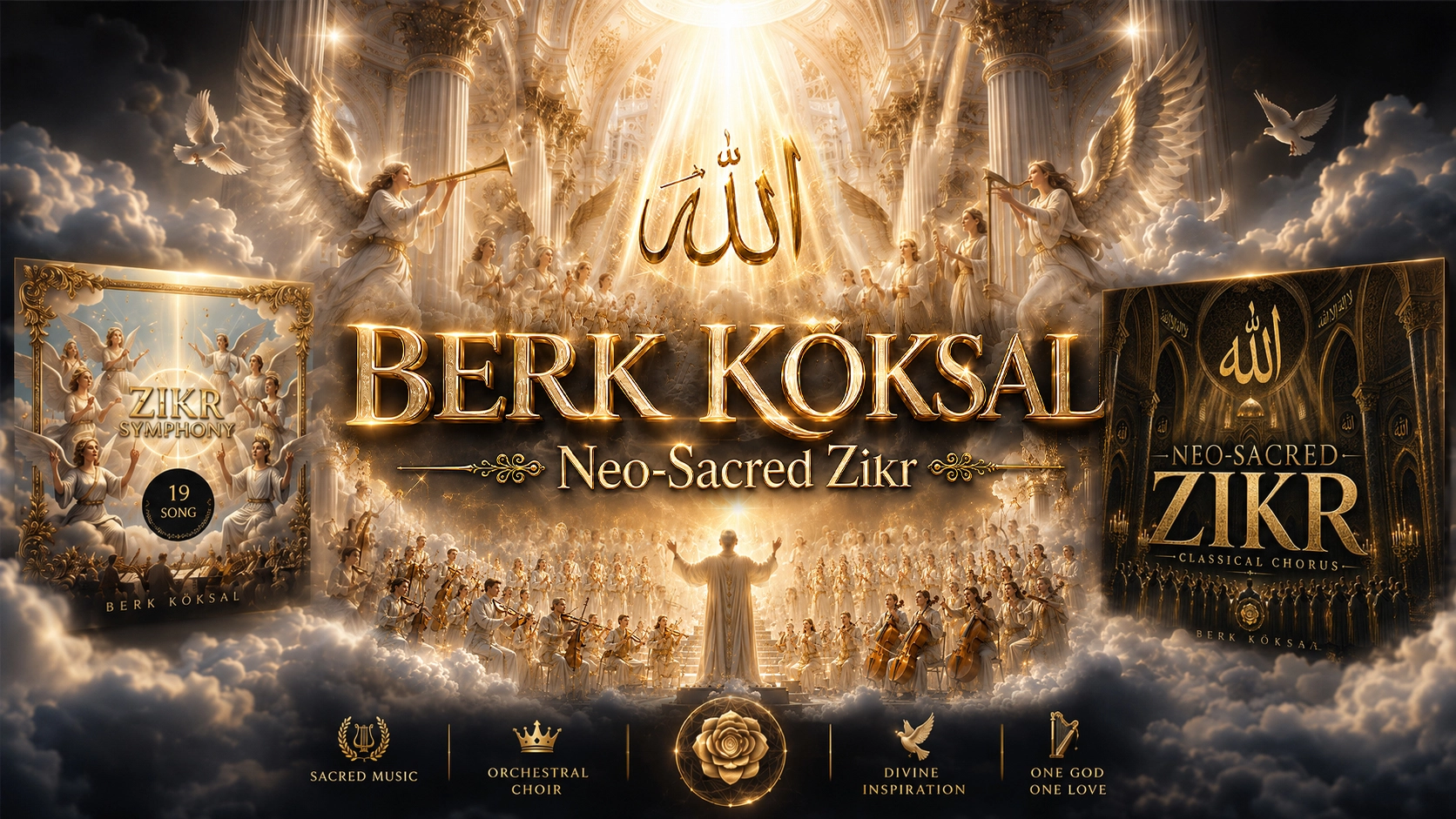
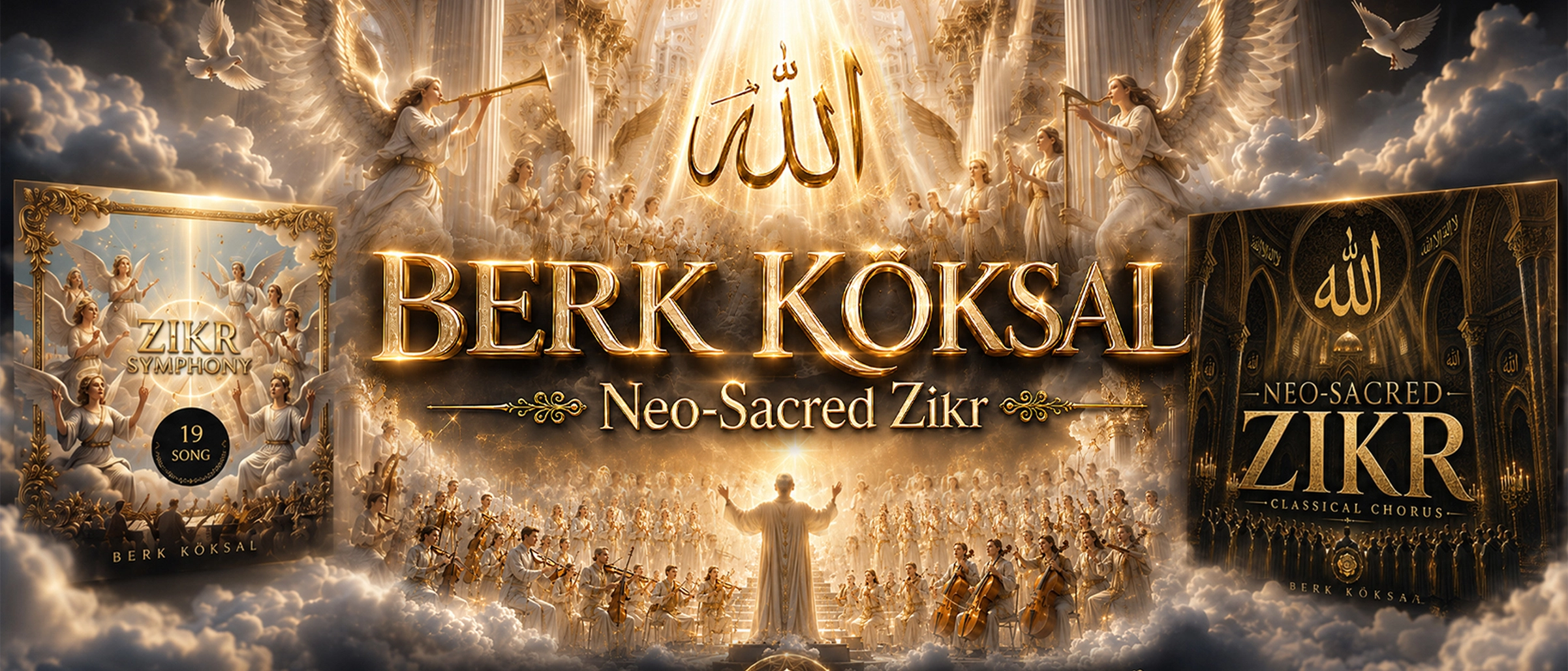
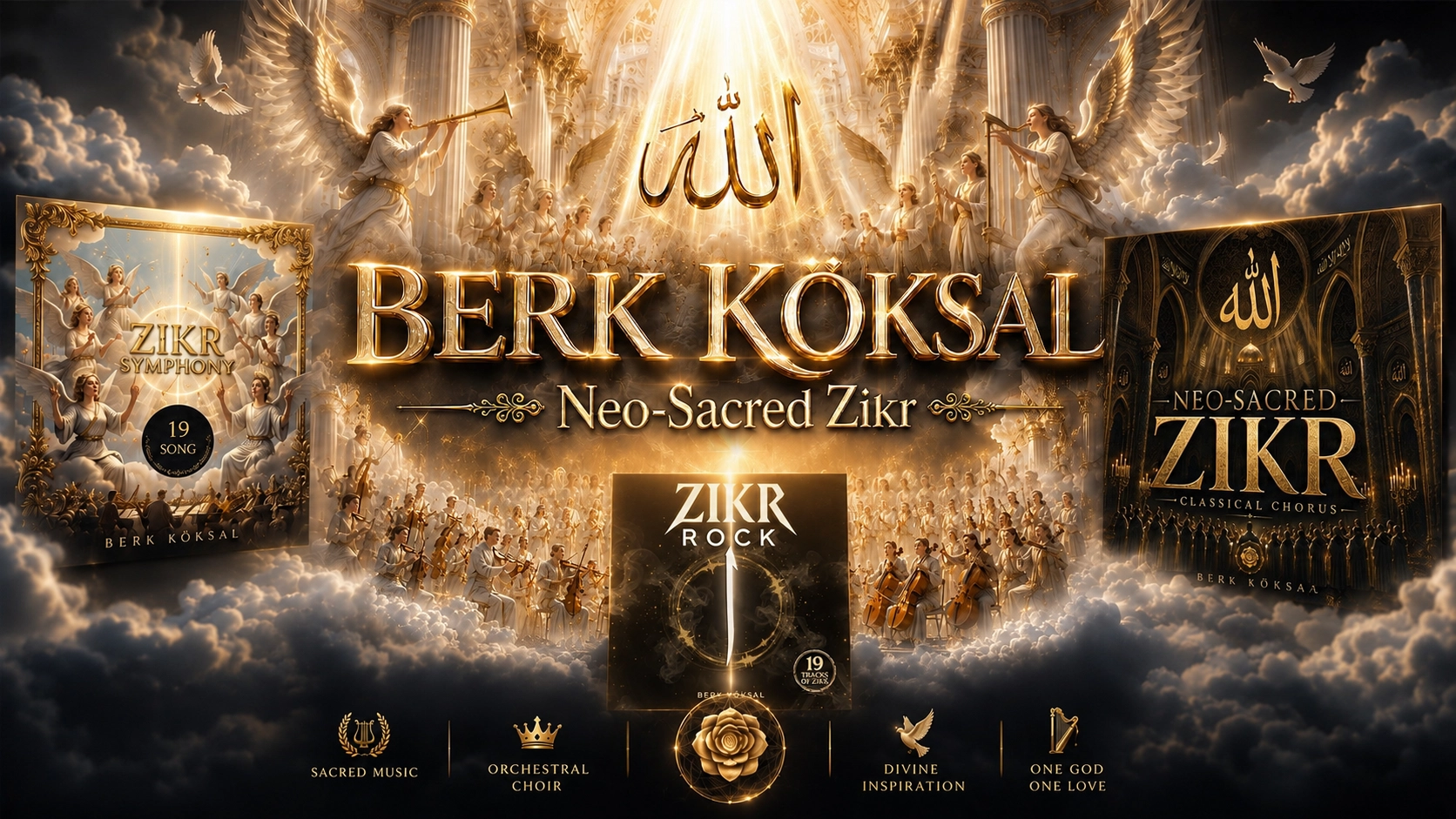
Neo-Sacred Zikr symphonic artistic universe

XVII · Zikr Symphony

The first major concept album

The idea of a “zikr symphony” had existed in Köksal's mind for a long time. He wanted to move zikr beyond a narrow inherited musical form and express remembrance of the ONE GOD through a large-scale modern sound: orchestra, choir, bass, drums, electric guitar and contemporary recording technology.

The project was designed around the number 19 in reference to the QUR'AN's 19-based system as understood by Köksal. During production, he created roughly fifty musical sketches. As the album took shape, the material was reduced and organized into 19 main works.

The nineteenth work added a second layer to the album's structure: rather than discarding musical ideas he valued, Köksal brought them together into an additional 19-part medley. The number 19 therefore is not merely a track count; it is built into the album's structure.

The cover's male and female-looking figures were intended as an artistic metaphor, not as a literal statement about the gender of angels. Köksal describes the image as a symbolic celebration in which creation joins in glorifying GOD; even the rock hand gesture belongs to that visual metaphor.

Zikr Symphony was also one of the last major albums to feature Köksal's own bass-baritone voice prominently as a lead voice. In later work he increasingly chose vocalists according to the needs of each composition rather than keeping himself as the main singer.

XVIII · The Expanding Album Universe

One purpose, many musical styles

2024

Tanrı'nın Hediyesi

The first Neo-Sacred Zikr release presented as an album: three versions of Tövbe Ettim, Estağfurullah Ya Gaffar — vocal, instrumental, and piano with choir.

2025

Zikr Symphony

The first large-scale concept album of the journey: 19 main works, with the nineteenth containing an additional 19-part medley built from other musical ideas created for the project.

2026

Zikr Huu

A nine-piece minimalist meditation centered on female voices, repetition, stillness and intentionally sparse instrumentation.

2026

Zikr Nur

A 19-track ambient zikr album shaped by female vocals, rain atmosphere, distant thunder, piano, ney and gentle rhythm.

2026

ZIKR ROCK

A 19-track return to Köksal's rock and neoclassical guitar roots, with the energy and distortion gradually intensifying across the album.

2026

Neo-Sacred Zikr: Classical Chorus

A 19-track classical and choral work influenced by Köksal's long relationship with Mozart, Requiem writing and large sacred choir arrangements.

2026

Neo-Sacred Zikr: One God One Love

A 19-track children's choir project created from the idea that children who believe in the ONE GOD should also have contemporary music for remembering and glorifying GOD.

2026

ZIKR RAP

A 19-track project that uses the rhythm and energy of rap for zikr, remembrance and praise of GOD, opening with Bismillahirrahmanirrahim.

2026

Zikr-i Batın

A deeply personal 19-track work centered on inward remembrance, divine names and a final composition built from the Huruf al-Muqatta'at, the QUR'ANic initial letters.

2026

ZIKR JAZZ

A 19-track sacred jazz project using extended and modal harmony with a warmer, calmer sound.

2026

ZIKR SYMPHONIC METAL

A 19-movement concept album centered almost entirely on HÛ, with occasional Hay / Al-Hayy, uniting female voice, sacred choir, orchestra, pipe organ and progressive neoclassical metal.

Explore the Discography

XIX · Why the Albums Sound So Different

Contrast became part of the artistic philosophy

The movement from Zikr Symphony to Zikr Huu and Zikr Nur was deliberately contrasting. After the scale and density of symphonic writing, Köksal wanted to explore a nearly weightless form of remembrance: female voices, minimal instrumentation, meditation, rain, ney and quiet atmosphere.

ZIKR ROCK then moved in the opposite direction, reconnecting the sacred project with the rock and guitar style that had shaped him from youth. The album begins with Huu, followed by Allahu Ekber and Ya Hannan Ya Mennan Zül Celali vel İkram, and grows progressively more distorted and energetic toward its final Subhanallah.

Köksal personally rates the album's mix and mastering at roughly eight out of ten and regards the work as one of the strongest expressions of his rock identity within the Neo-Sacred Zikr body of work.

XX · Classical Chorus and the Name Neo-Sacred Zikr

The music existed before the name Neo-Sacred Zikr

The earliest zikr singles and albums were not originally created under a fully formalized “Neo-Sacred Zikr” label. The name emerged later, around the Classical Chorus period and the development of Köksal's website.

By that time, his body of work already included very different musical directions. Köksal needed a broader concept that could explain what connected them. The answer was not a single genre, but a musical universe.

Classical Chorus brought Köksal back toward the sacred choral music he had loved for years. Bach remained an important reference for musical structure, while Mozart's dramatic and emotional influence — particularly the world of Requiem and Kyrie-like choral writing — was closer to the spirit he wanted to express here.

One God One Love

Children also need music through which they can remember GOD

Arya Belinda's early interest in zikr helped inspire the idea of a children's choir album. Köksal felt that children who believe in the ONE GOD should also have contemporary songs through which they could remember and glorify GOD.

The album uses a 19-track structure and includes English language as part of its more universal orientation. Arya Belinda is also represented among the children on the cover concept.

ZIKR RAP

Turning a disliked form into a new possibility

Rap had not originally been one of Köksal's favorite musical forms. He associated much of what he heard in the genre with repetitive backing tracks, profanity and negative language.

That resistance eventually became the reason to make the album. If rap could carry so many other messages, why could it not carry remembrance of GOD? The result was intentionally contrary to expectation, beginning with Bismillahirrahmanirrahim and redirecting rap's rhythmic force toward sacred content.

Zikr-i Batın

The inward dimension

Zikr-i Batın became one of the albums closest to Köksal's personal musical taste. Works such as Rahman Rahim Fert and Ya Mübdi, Ya Muid, Ya Muhyi, Ya Mumit hold a particularly important place for him.

The nineteenth work is built around the QUR'AN's Huruf al-Muqatta'at — letter sequences such as Alif Lam Mim — used directly as vocal musical material. Köksal regards this as one of the most unusual experiments in his body of work.

ZIKR JAZZ

Extended harmony, the same center

Jazz represented another missing language inside the growing universe. ZIKR JAZZ uses extended harmony — including sixths, sevenths, ninths and other expanded chord colors — together with modal thinking and the instrumental vocabulary associated with jazz.

The result is intentionally warmer, calmer and more relaxed than the rock and metal albums, while remaining centered on the same act of remembrance.

XXIII · ZIKR SYMPHONIC METAL

Nineteen movements. One expression of remembrance: HÛ.

On 23 August 2026, Köksal sent ZIKR SYMPHONIC METAL to digital distributors. He regards it as one of the projects that most completely realizes the concept-album sound he had wanted to create for years.

The album is built around 19 movements and a deliberately focused vocal concept. Almost the entire cycle is centered on one repeated expression of remembrance: . In selected passages, Hay / Al-Hayy also appears. Instead of long lyrics, these few sacred words are repeated through changing musical settings.

This focus also reflects Köksal's interest in the meaning carried by sacred words. Hayy can sound like English hi or Turkish hay hay, yet Al-Hayy is the divine name “The Living.” may sound like English who? or like a simple call; in zikr, however, HÛ is used as “He,” referring to GOD. For Köksal, understanding the word changes the way the sound is heard: what first seems like an ordinary sound can become an act of remembrance.

Breath and intimate female voice expand into sacred choir, strings, pipe organ, brass, timpani, bass, drums, distorted guitars and neoclassical solos. Metal is not treated as anger. In Köksal's conception, its heaviness represents power, grandeur and divine majesty.

The orchestra is not background decoration, the choir is not an effect and the guitar is not included merely to display virtuosity. Each element serves the same center: zikr.

HÛ remains at the center while the music around it changes.
XXIV · What Neo-Sacred Zikr Means

A musical universe intended to outlive its creator

For Berk Köksal, Neo-Sacred Zikr is not a single genre. It is a broader musical concept: a contemporary sacred music universe in which different genres can be used for zikr — to remember and glorify the ONE GOD.

A Neo-Sacred Zikr work may be rock, metal, classical, ambient, jazz, rap, children's choir, piano-centered music, progressive music or a form that has not yet been created. The musical style can change; the purpose remains the same.

Köksal does not want the term to be used only for his own music. His hope is that future musicians who believe in the ONE GOD may use, develop and reinterpret Neo-Sacred Zikr as a musical field that others can continue.

He also accepts that the work may not be fully understood in its own time. Social-media numbers and immediate popularity are not the primary measure by which he evaluates the project. He has often expressed the belief that the musical idea may be understood more clearly decades — perhaps even a century — in the future.

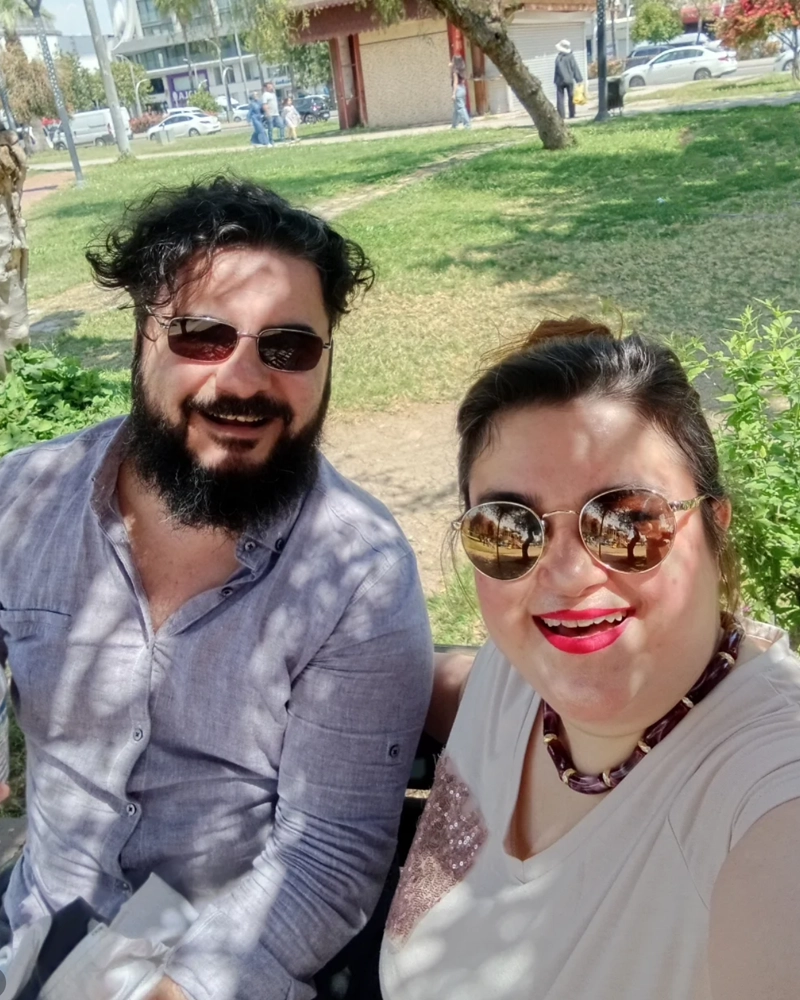
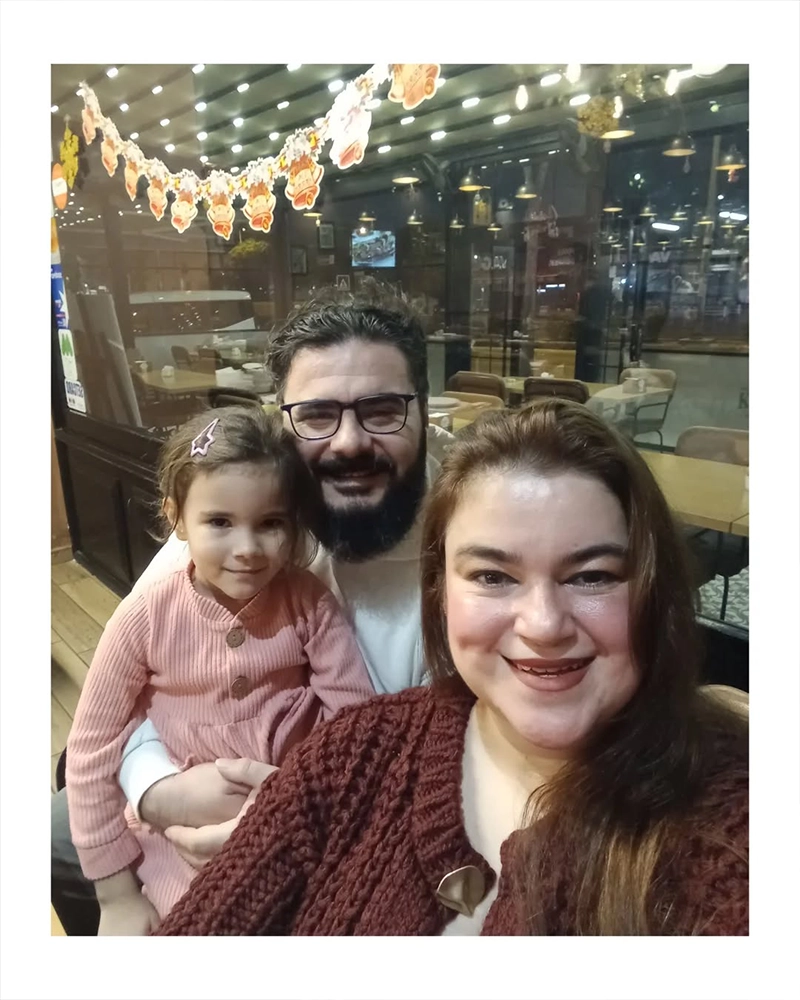
Berk Köksal with his family

XXV · Family and Personal Memory

Music also preserves the people closest to us

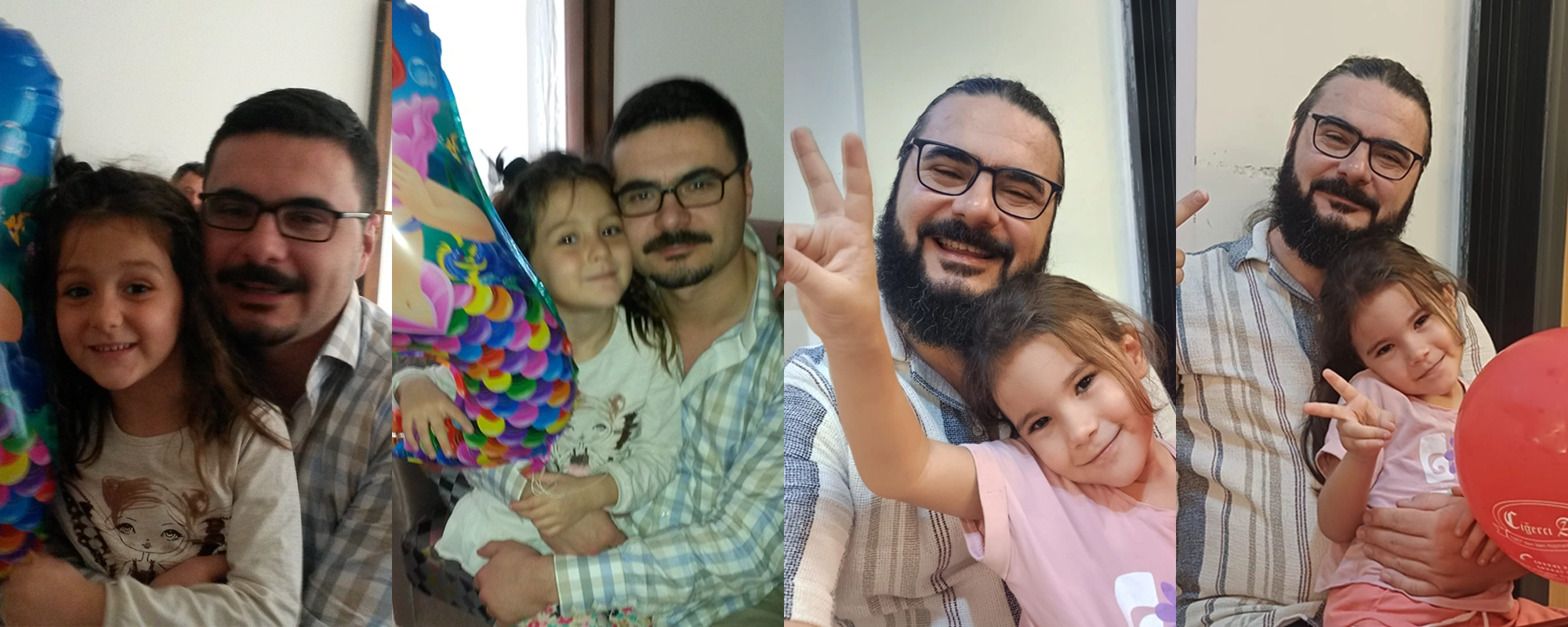
Köksal has written personal compositions connected with both of his daughters, Bernaz Su Köksal and Arya Belinda Köksal. These works occupy a different place from the large public concepts: they preserve family feeling, memory and the relationship between a father and his children.

His family life has also intersected directly with the sacred music journey, most clearly in Arya Belinda's childhood participation in a zikr recording and in the later children's-choir concept of One God One Love.

Köksal's biography therefore cannot be separated neatly into “art” and “life.” Loss, marriage, fatherhood, technology, belief, music and research repeatedly enter the same creative space.

Berk Köksal with his daughters in family photographs from different years
Berk Köksal wedding photograph

XXVI · Music Meets Software

The same analytical habit appears in code, sound and research

Köksal is also a Computer Science graduate and software engineer. The analytical habits developed through software — breaking complex problems into systems, testing relationships and refining solutions — closely resemble the method he developed years earlier through MIDI and transcription.

His QUR'AN research and software projects similarly reflect an interest in direct examination, comparison, verification and structured study. For Köksal, music and technology are not separate identities; both are tools through which ideas can be organized and communicated.

XXVII · Looking Ahead

Neo-Sacred Zikr continues — while new artistic projects begin

Köksal intends to continue developing Neo-Sacred Zikr for as long as he is able to create. Progressive albums, new classical directions, piano-based projects and other unexplored forms remain possible inside the universe.

At the same time, he has begun imagining a separate series of QUR'AN-inspired concept albums centered on Hell and Paradise. He does not currently plan to classify those future works as Neo-Sacred Zikr; he sees them as a separate artistic concept with its own identity.

The way Köksal understands authorship is also important to him. Although his name appears as composer, producer and artist, he regards the ability to create, the opportunities to learn and the finished works themselves as gifts from GOD. For that reason, he repeatedly returns to a simple statement: All praise belongs to GOD.

Professional Development

Certificates & Continuous Learning

Berk Köksal continuously develops his expertise through professional education in software engineering, music production, artificial intelligence, digital technologies and related disciplines. A complete collection of certificates and completed training programs is available online.

View All Certificates

Final Statement

“Music is not merely sound to me. It is a universal language that calls humanity to remember the ONE GOD.”

— Berk Köksal